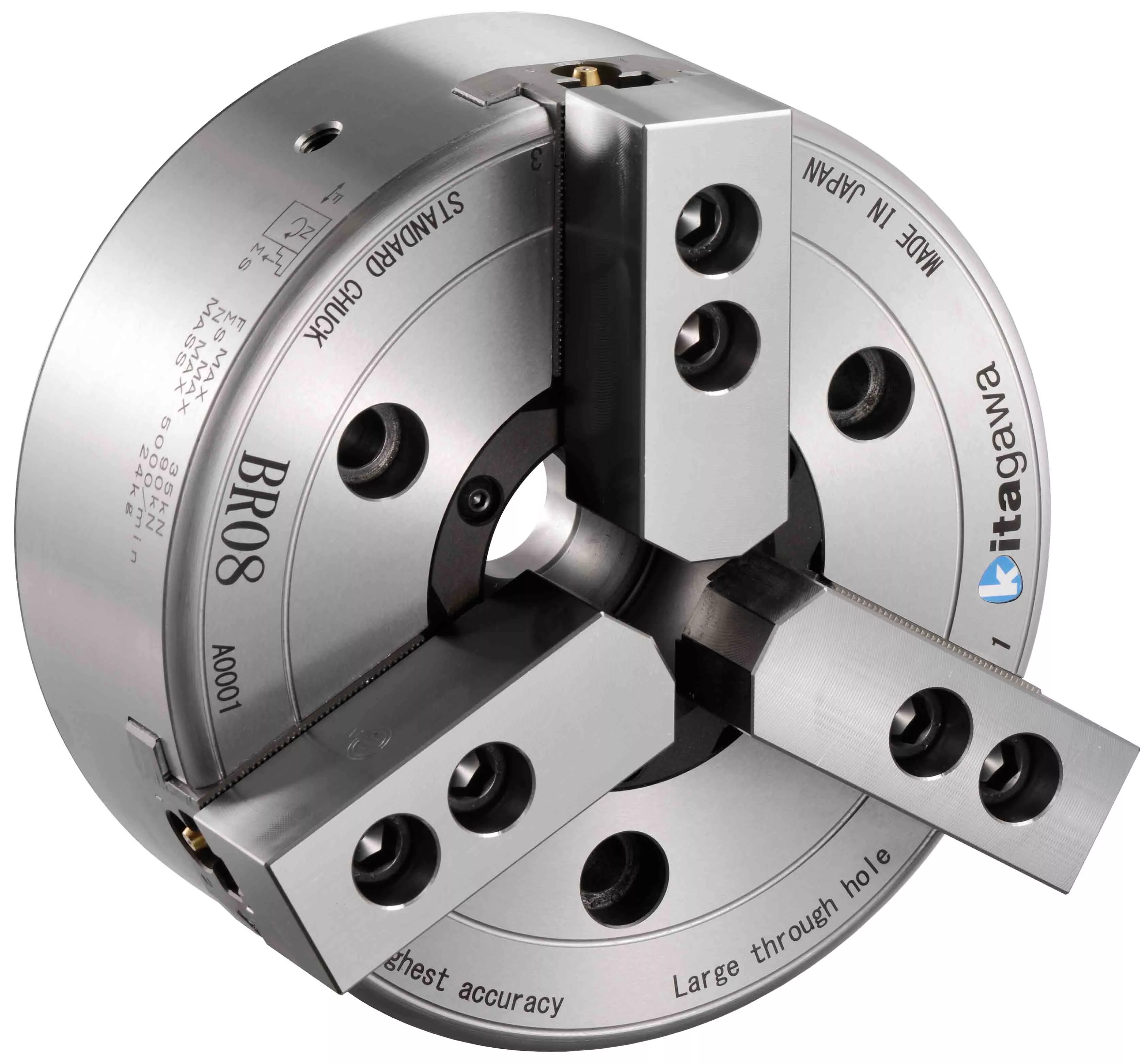
Kitagawa Power Chuck
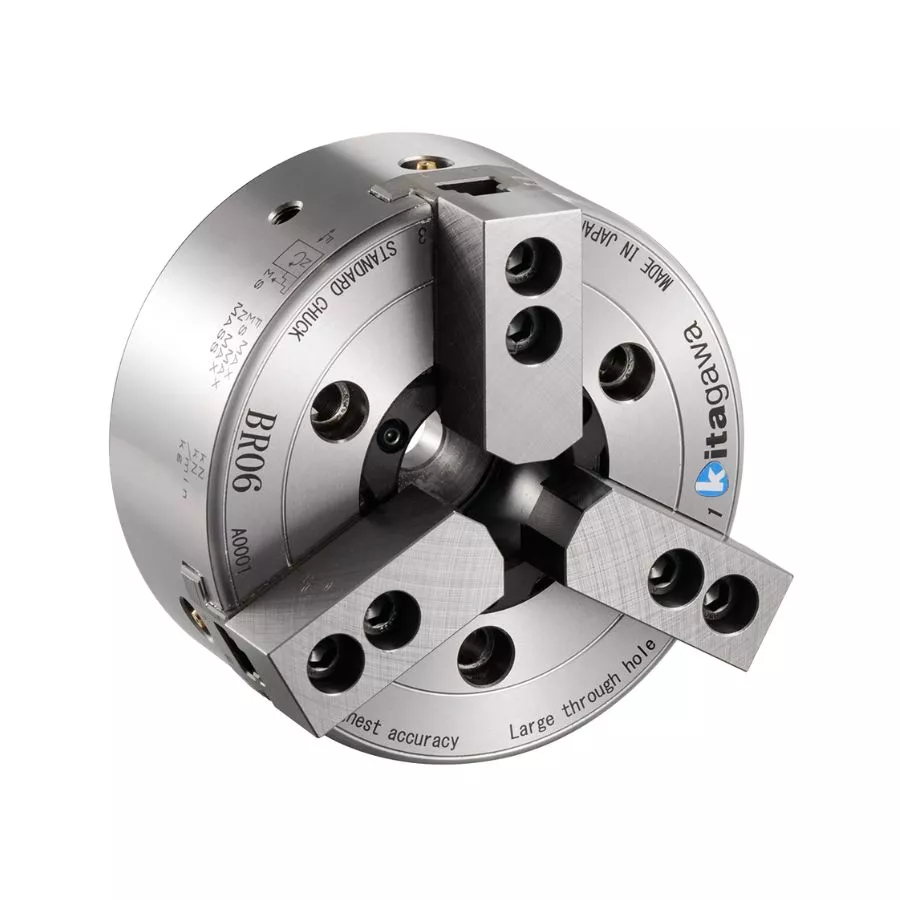
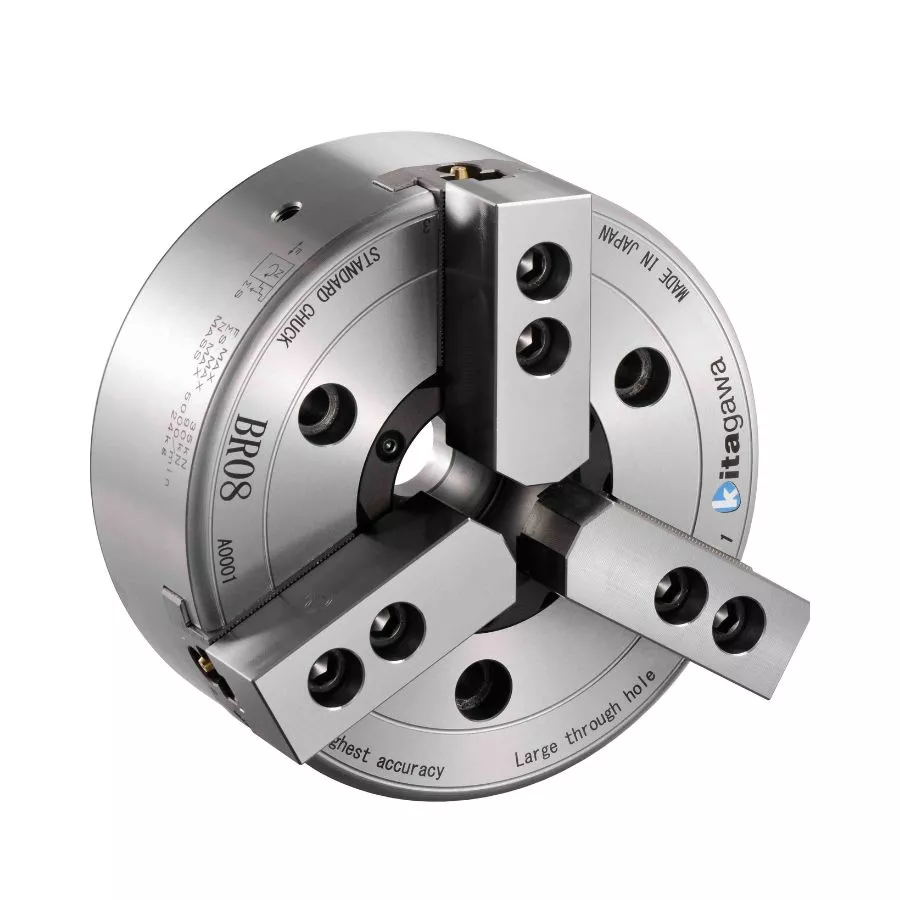
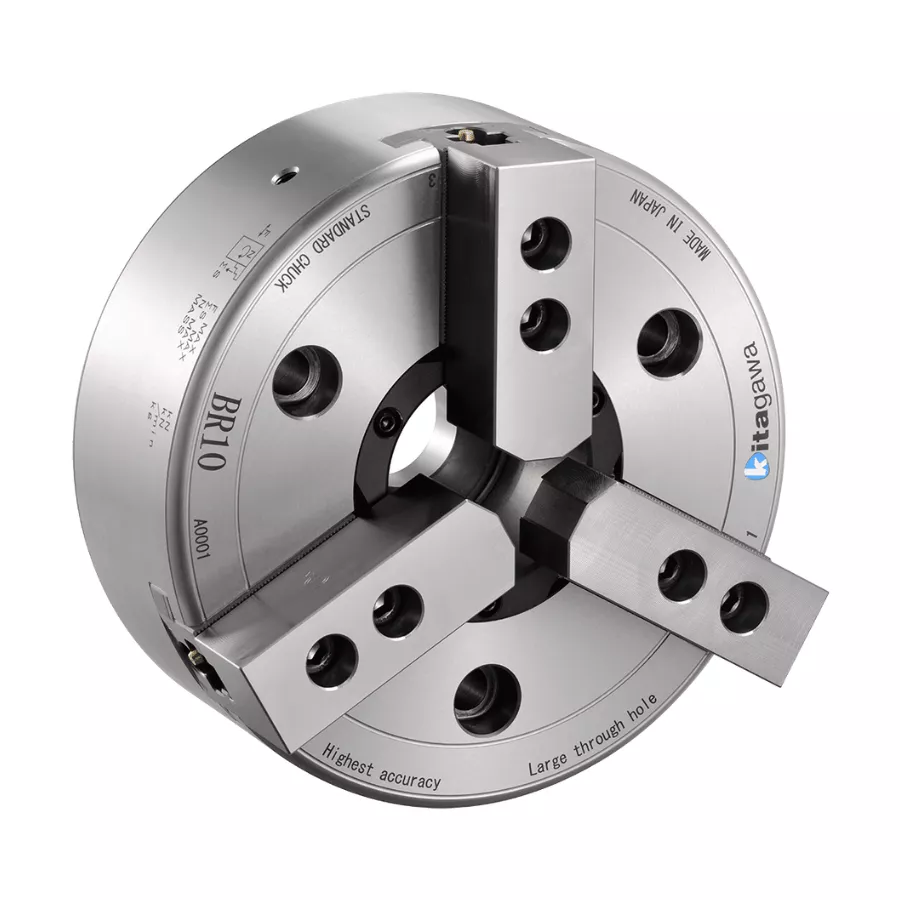
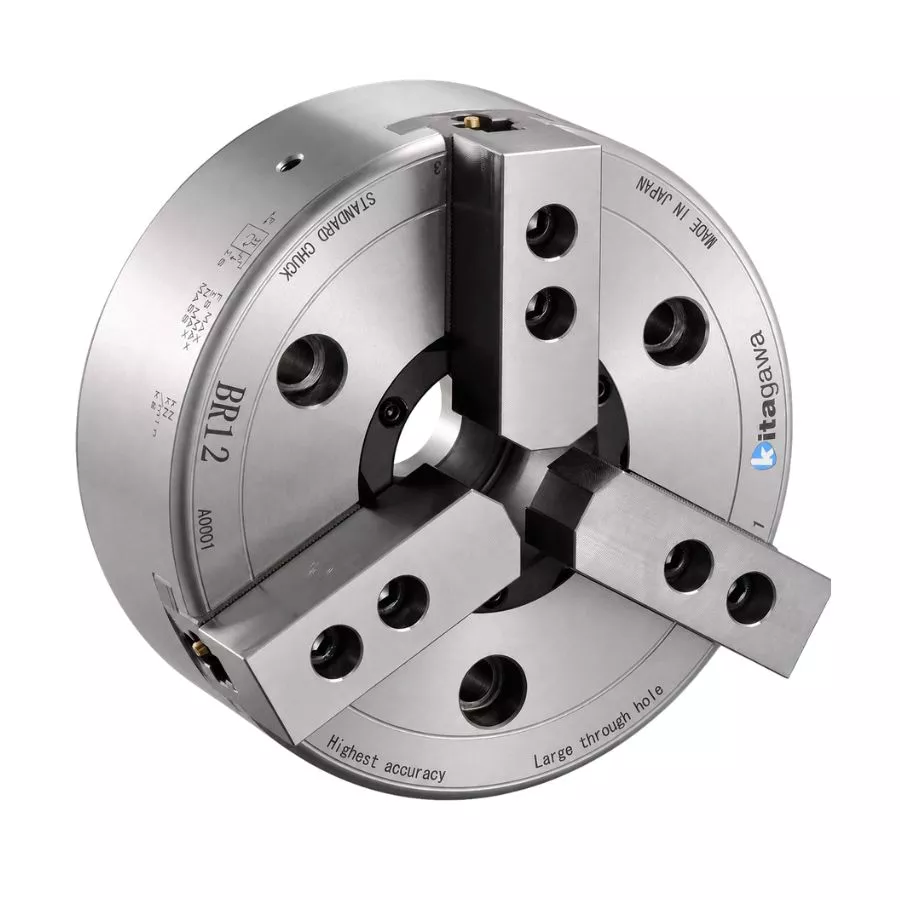
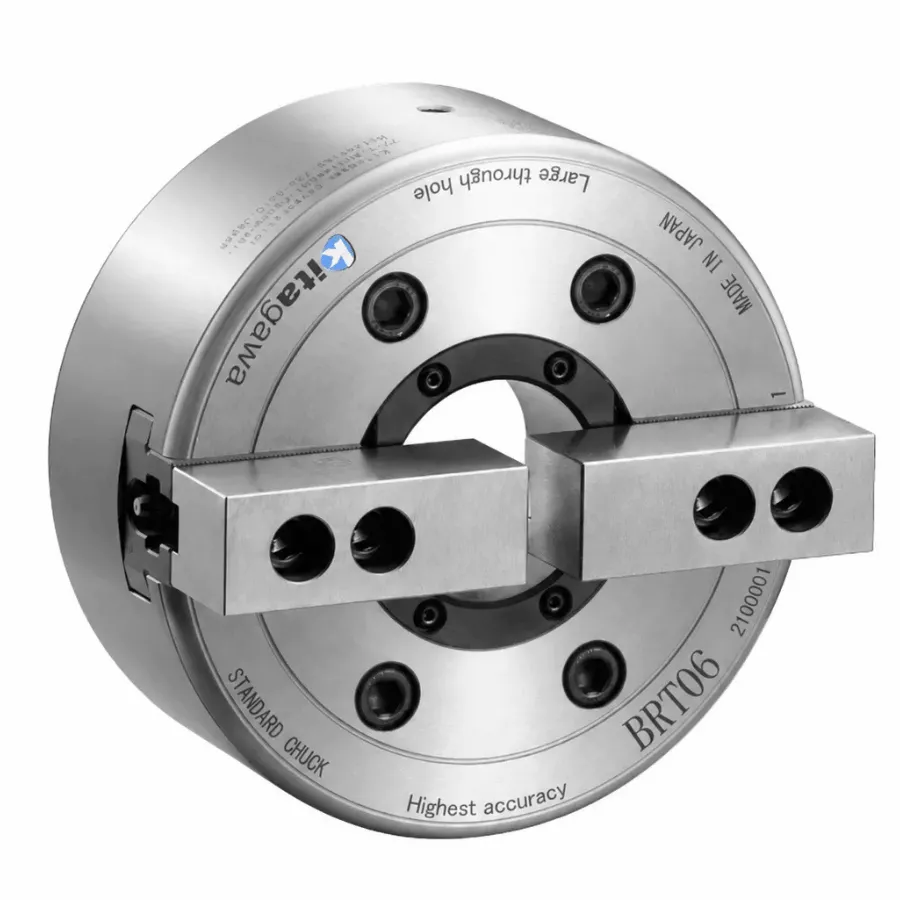
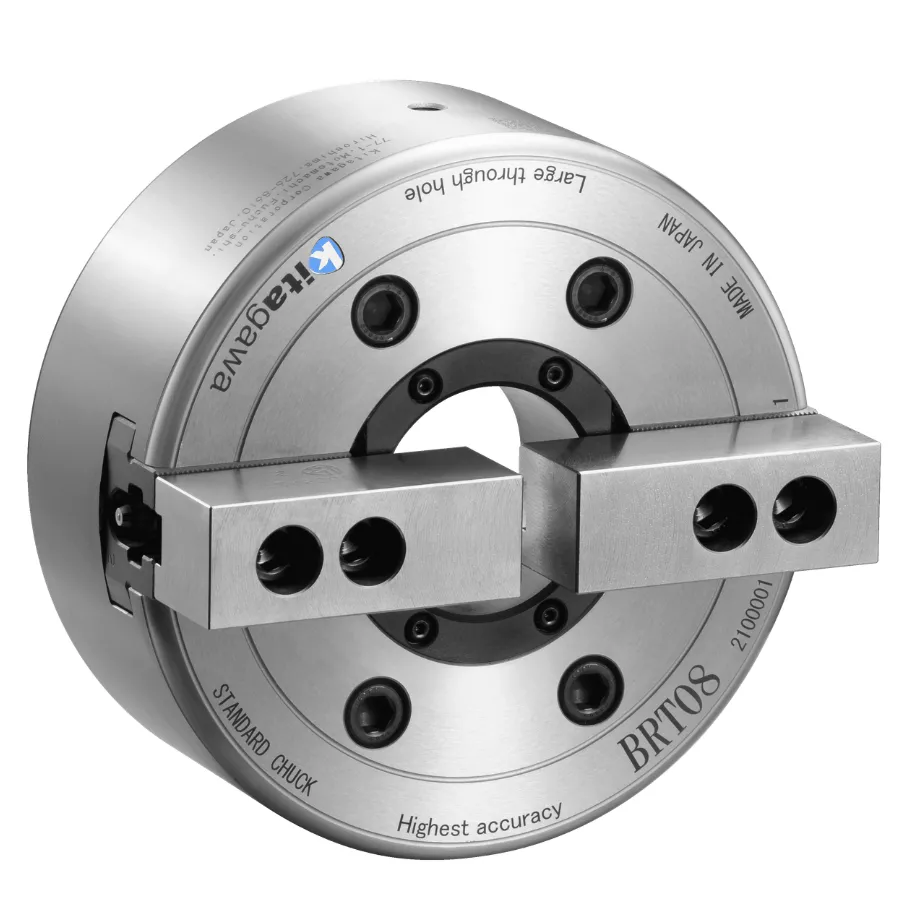
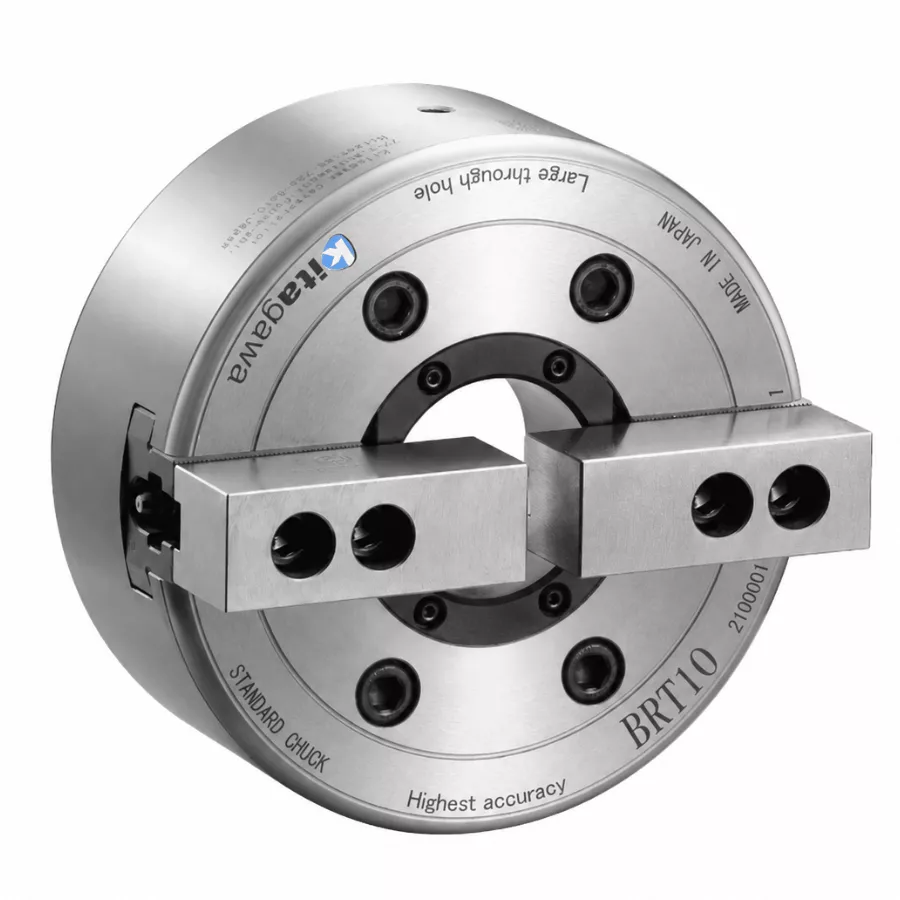
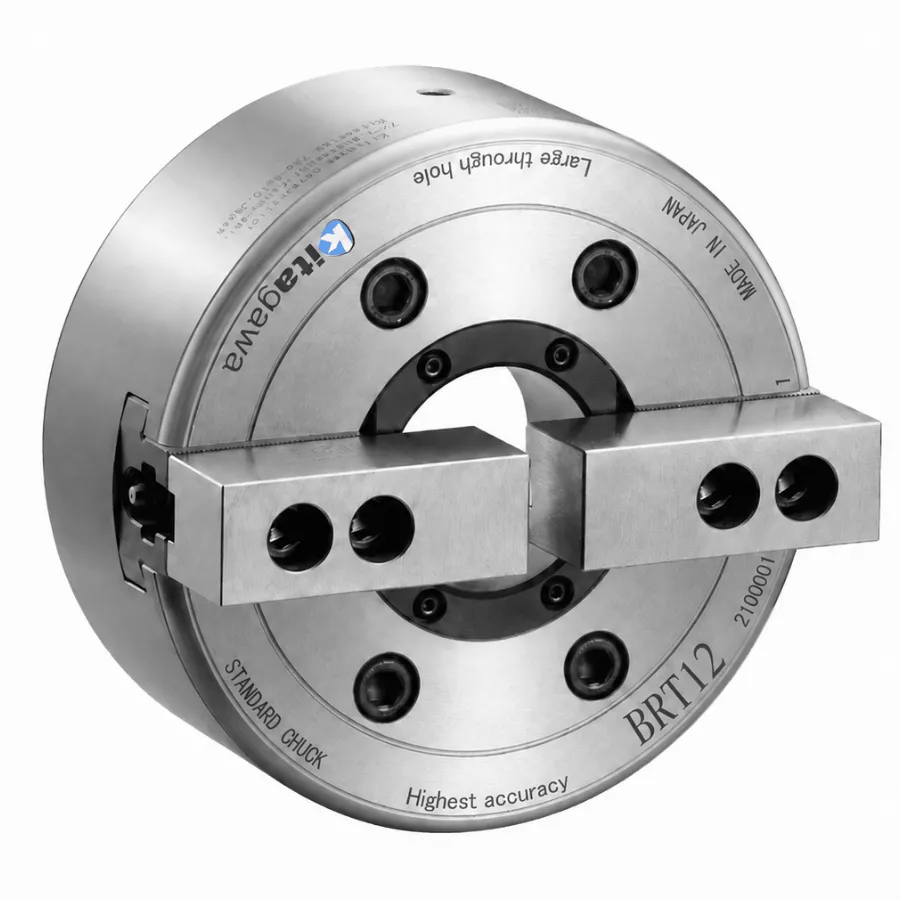
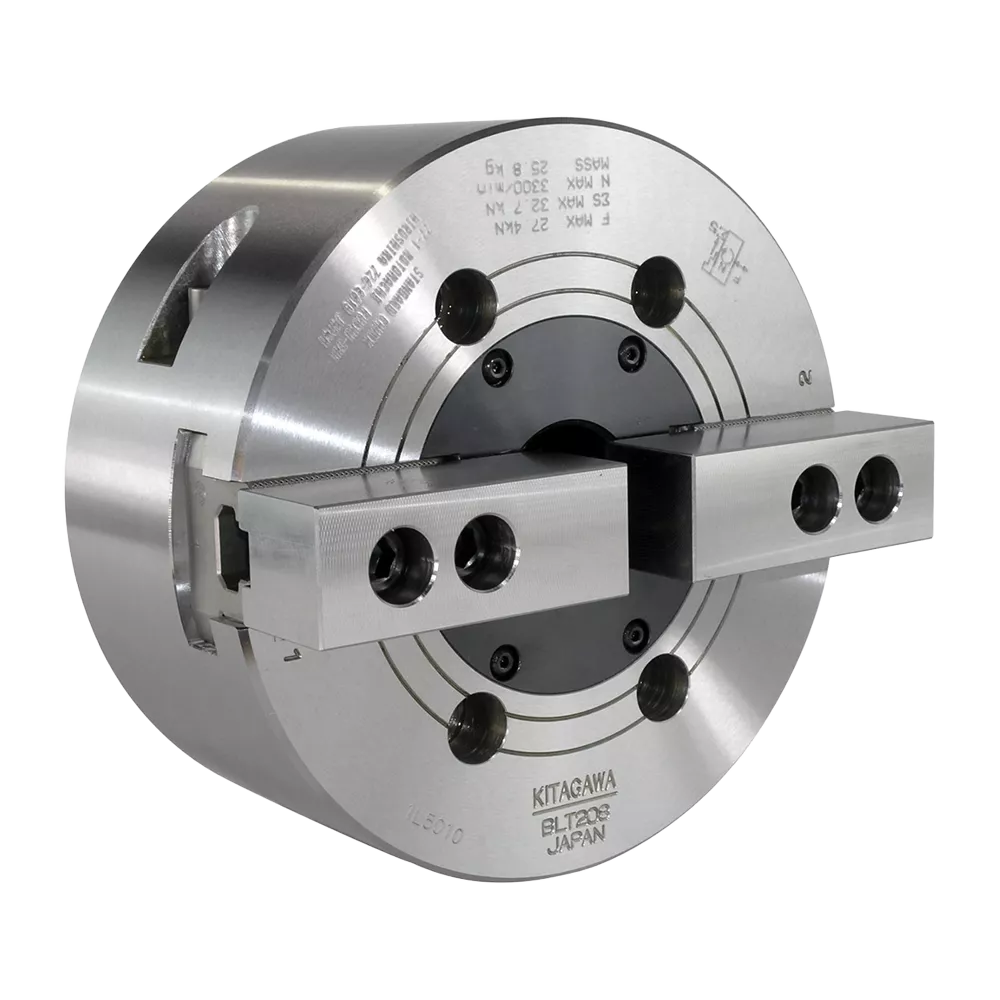
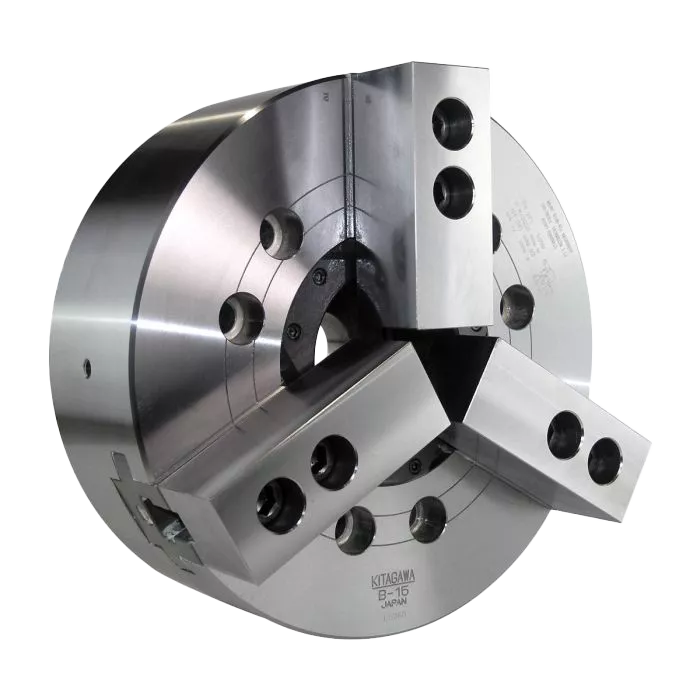
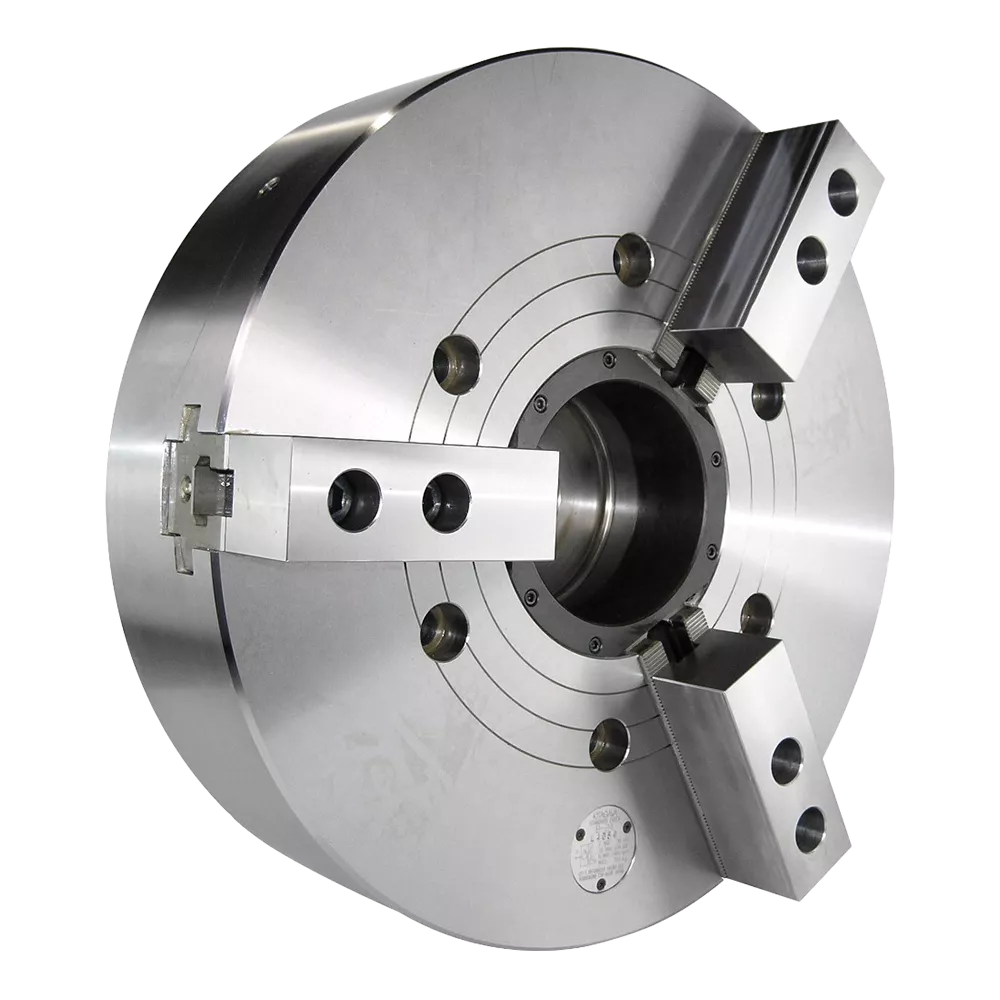
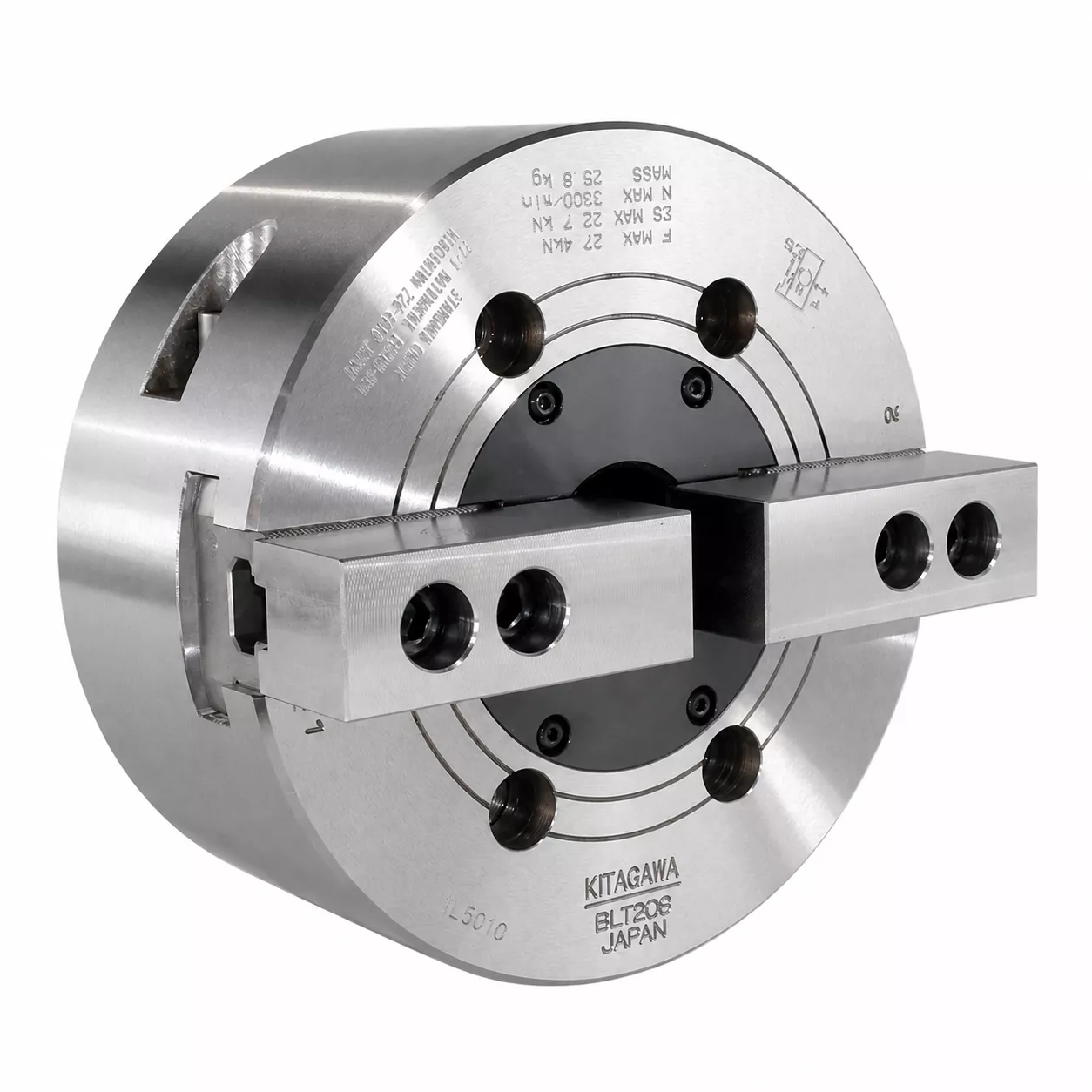
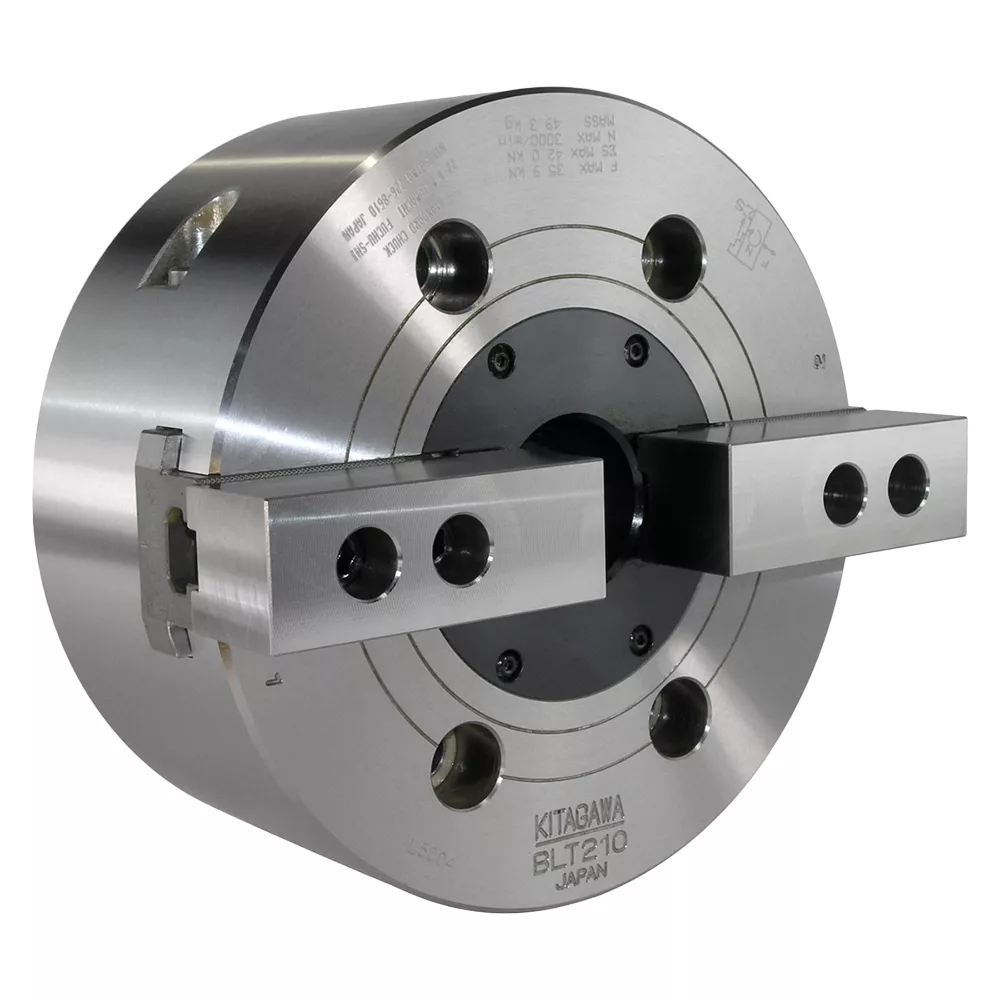
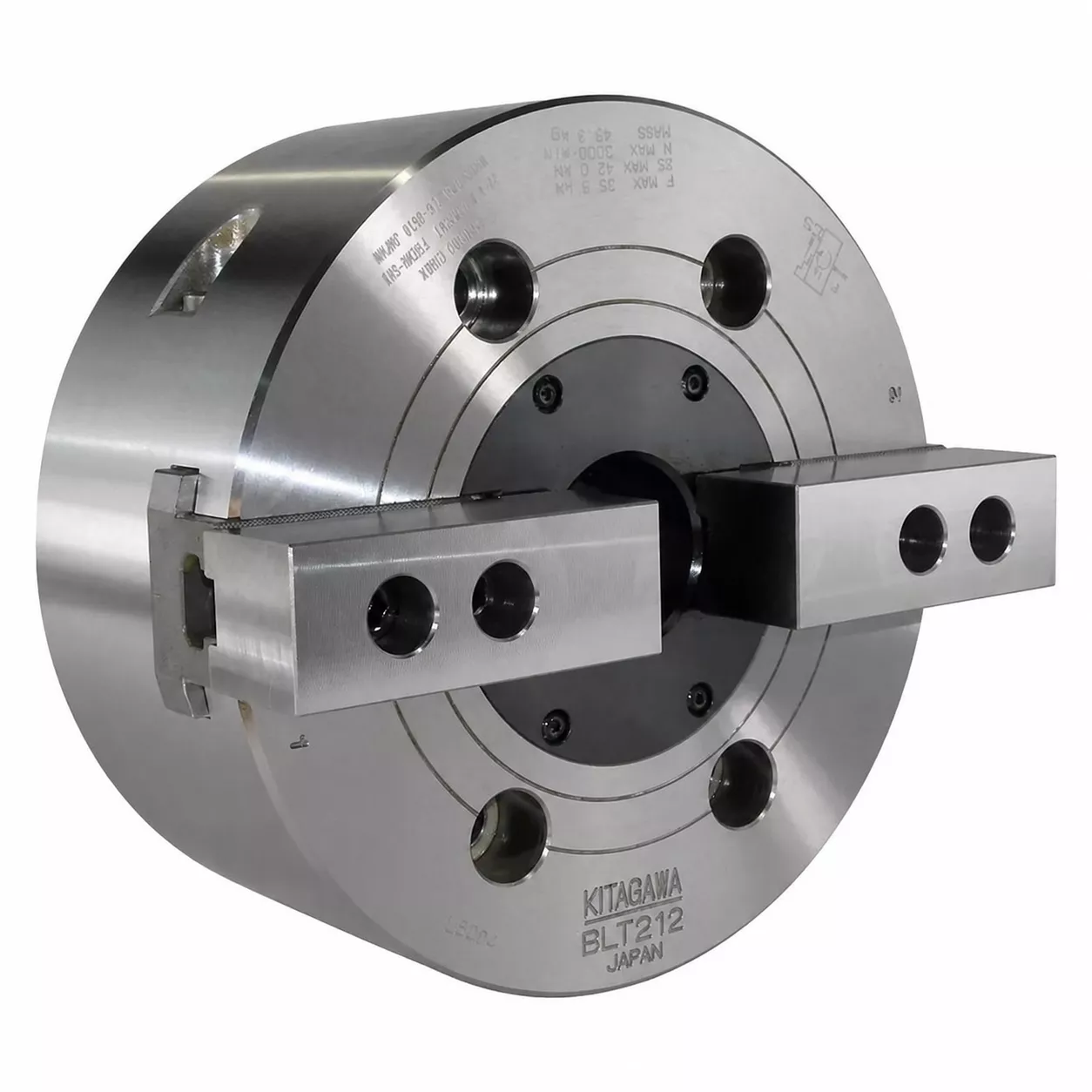
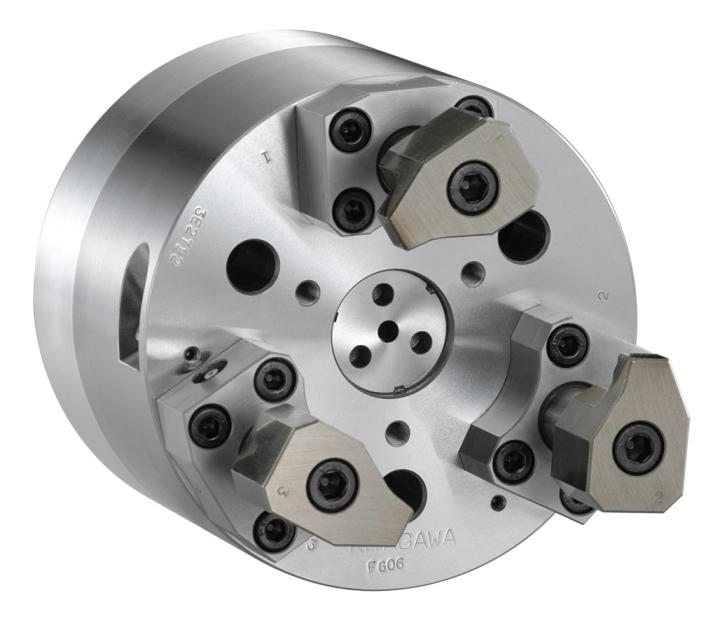
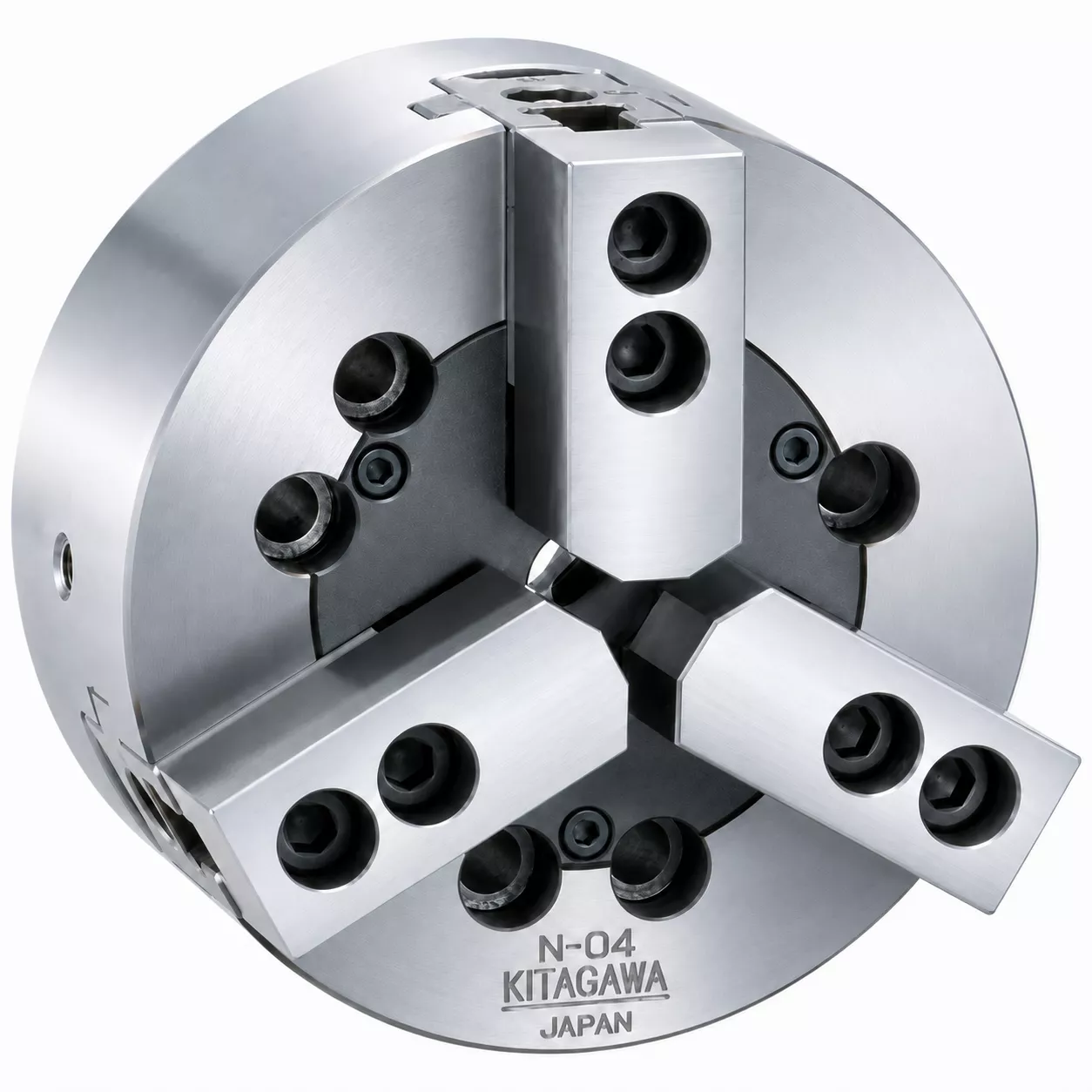
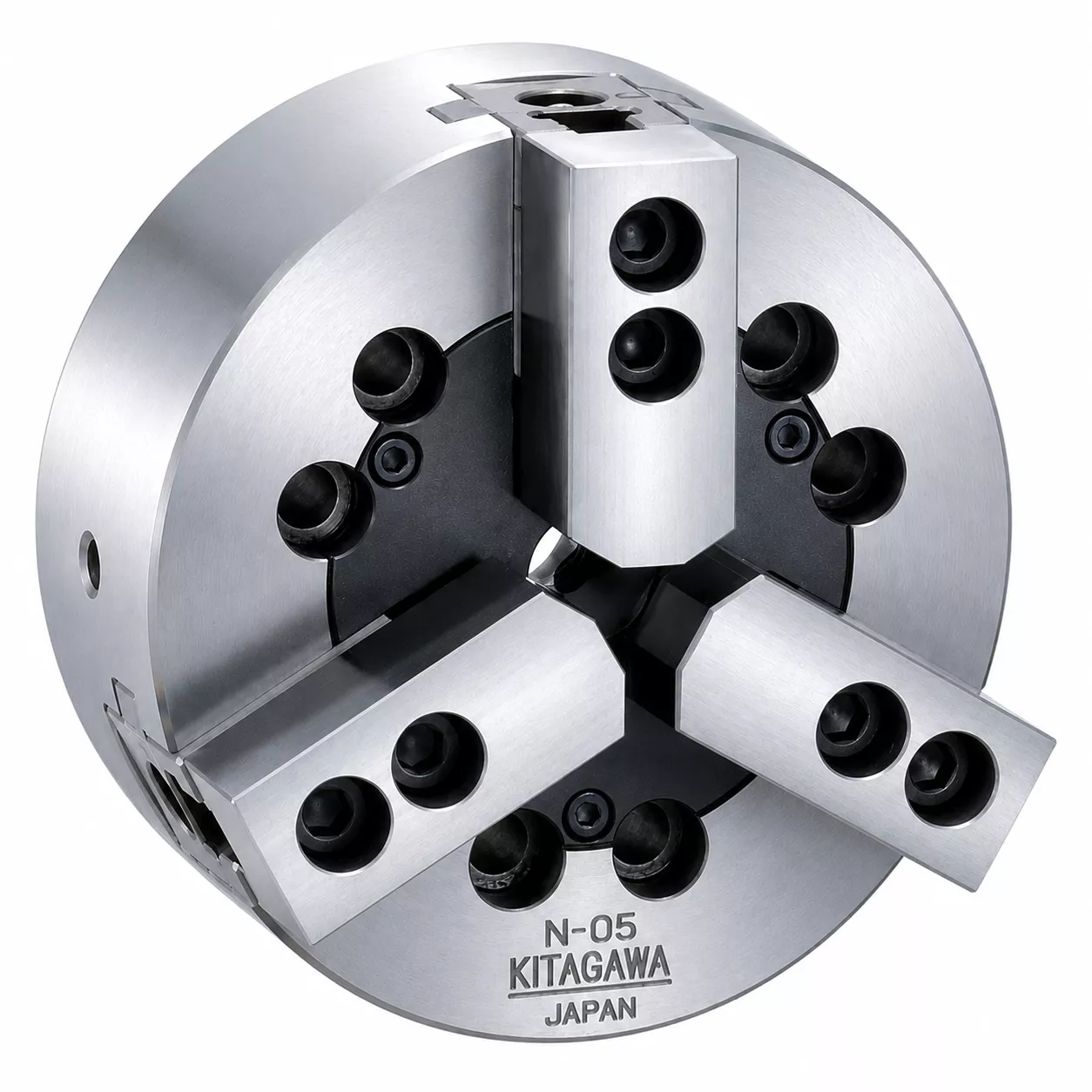
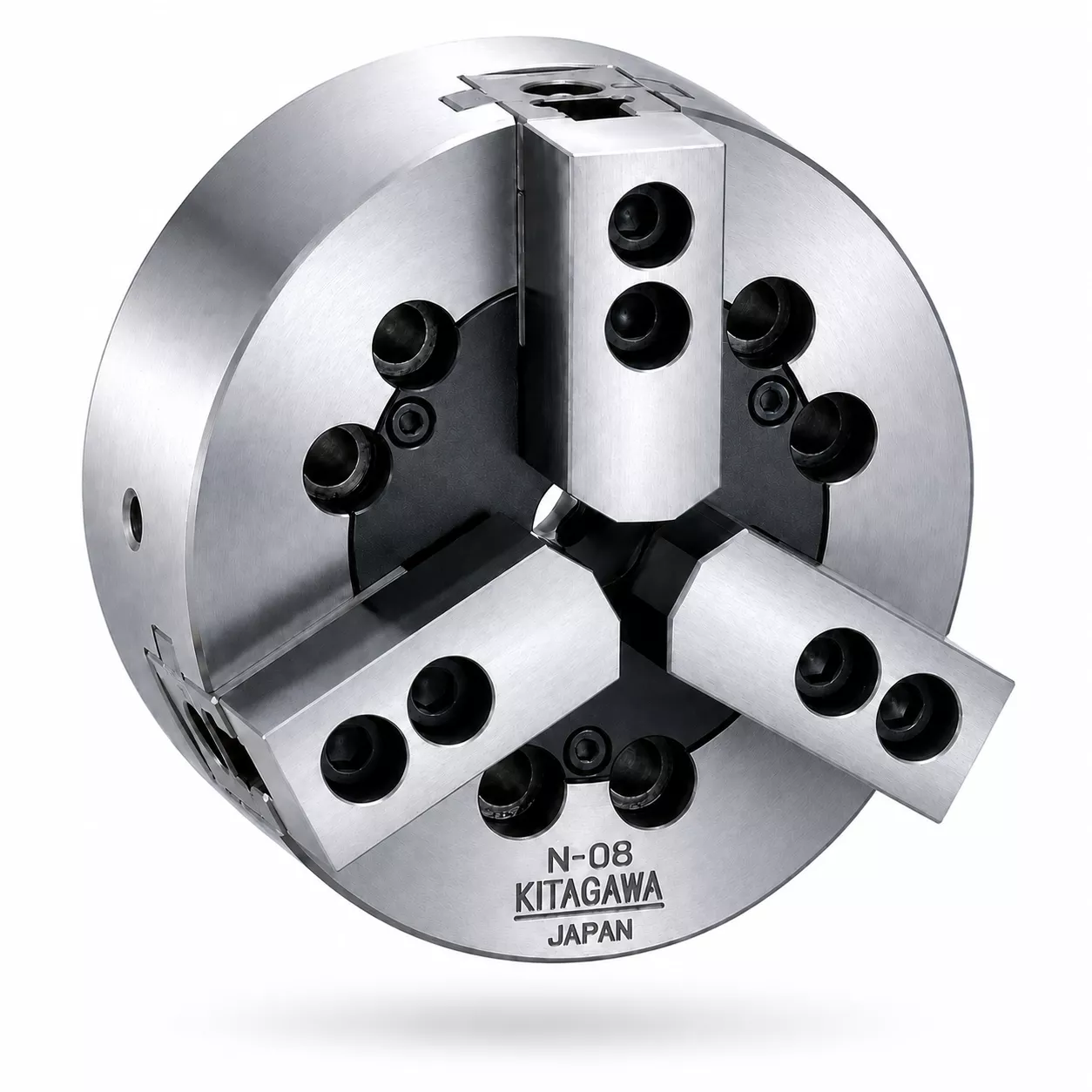
Kitagawa manufactures a comprehensive range of power chucks designed for reliable clamping, high-speed performance and repeatable machining accuracy. Available in through-hole and closed-centre configurations, the range supports standard turning, bar work, irregular components and specialised automated applications.
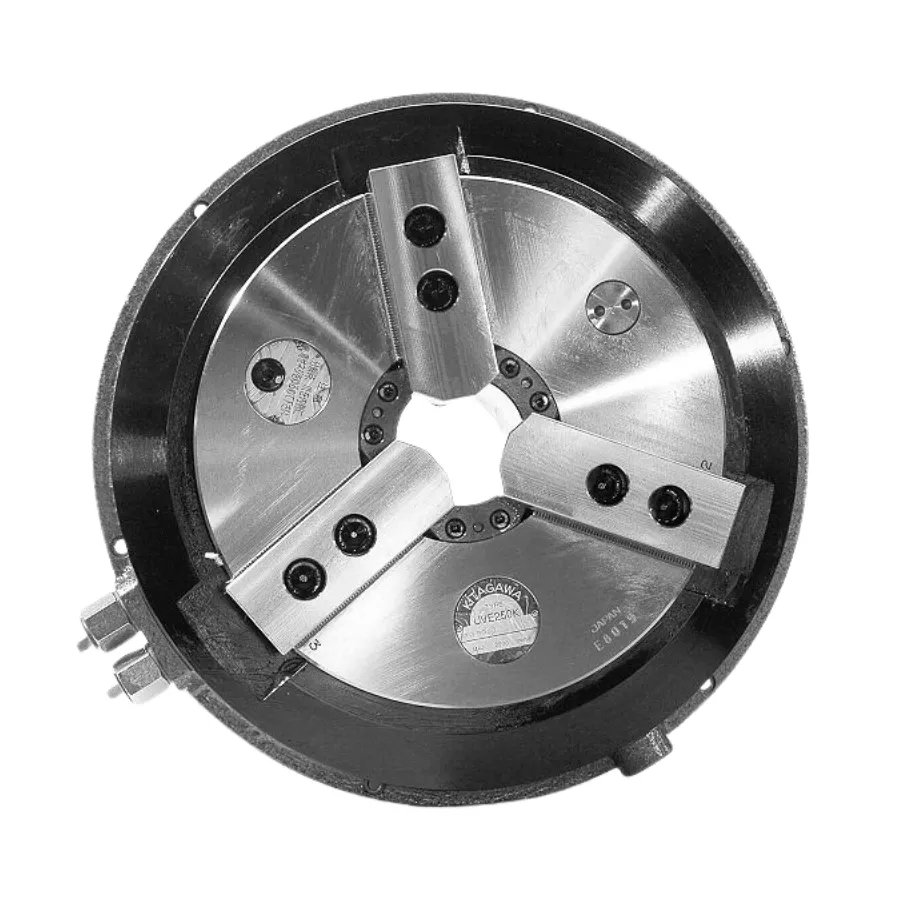
This range includes the high-accuracy BR and BRT Series, long-stroke BLT and NLT models, the proven B and N Series, and the UVE Series with a built-in pneumatic cylinder. Kitagawa offers a suitable chuck for a wide variety of CNC machines and workholding requirements. For alternative sizes, configurations or functionality, contact Dimac to discuss the complete range of Kitagawa power chucks.
Filter product list

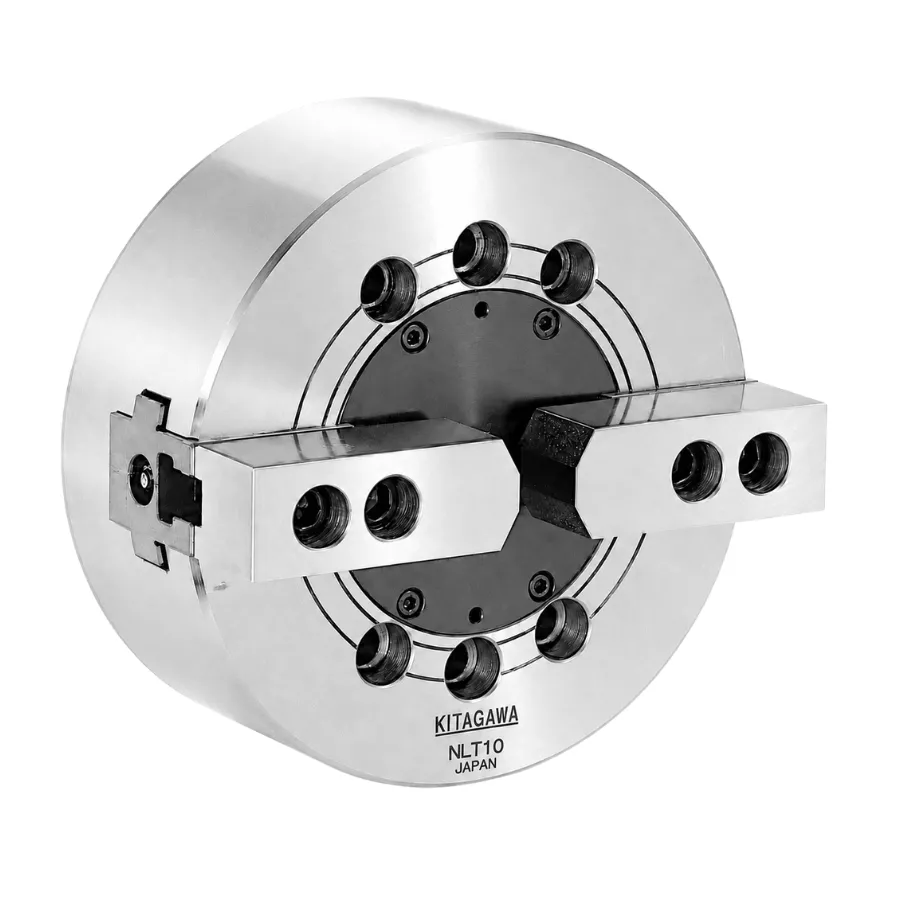
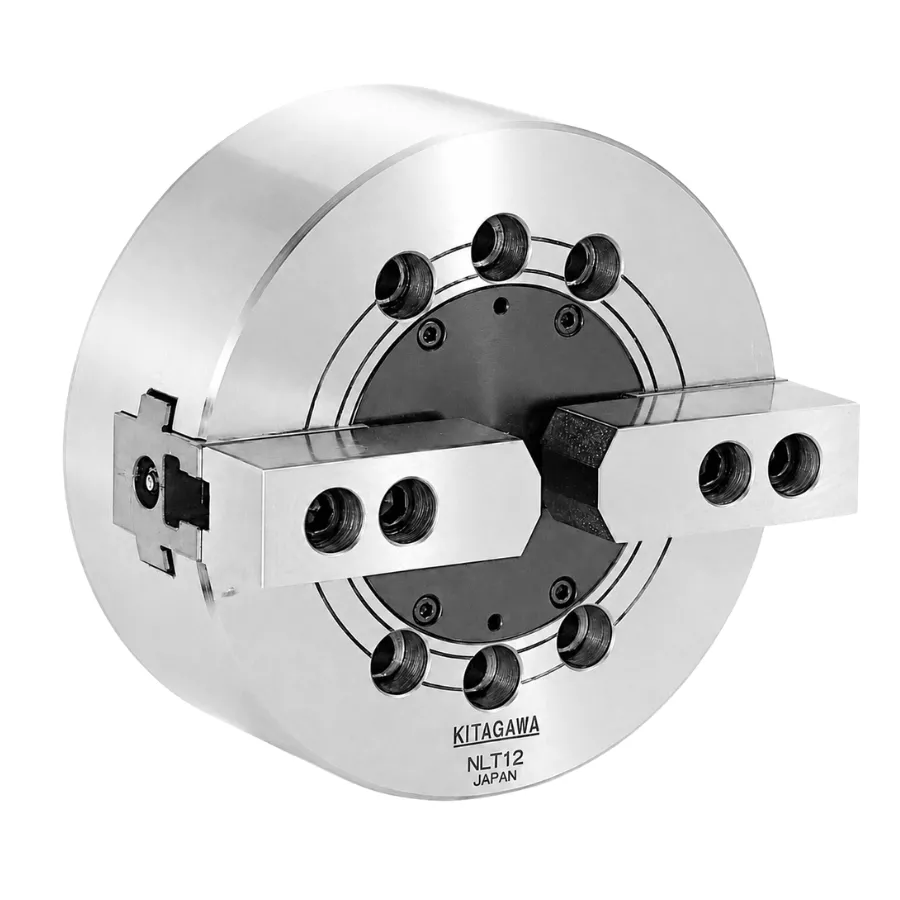
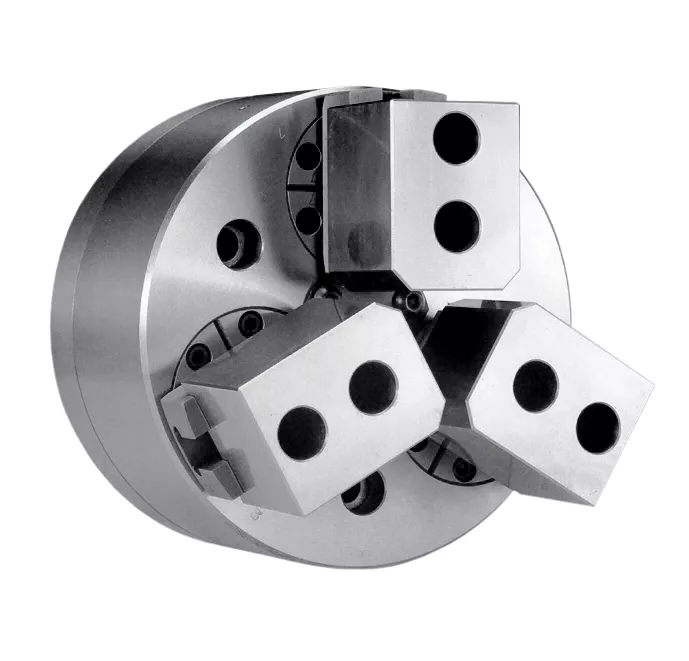
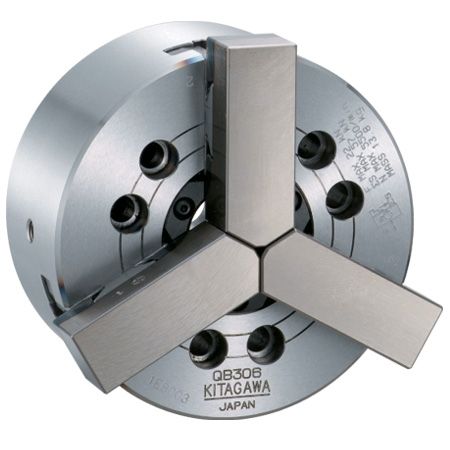
Power Chuck
We’ve answered some of the most common questions.
If your question is not covered, please get in touch.
We supply a wide range of 2-jaw, 3-jaw, 4-jaw and 6-jaw chucks, including manual, hydraulic and pneumatic chucks in sizes from small to large.
Kitagawa's BR Series is the latest generation of power chucks, designed for high-speed, high-precision workholding with reduced maintenance and automation compatibility.
Not always. Many Kitagawa chucks and cylinders are compatible across product classes, reducing the need for additional components when upgrading. Compatibility should always be confirmed before installation.
Absolutely. Kitagawa power chucks are engineered for repeatability and quick-change setups, making them ideal where flexibility and efficiency matter. Kitagawa offer a range of standard and advanced workholding for turning applications.
Kitagawa recommends greasing the chuck every day. Grease more frequently during high-speed operation or when using large amounts of water-soluble coolant. Dimac stocks and supplies Kitagawa's official recommended CHUCK GREASE PRO white grease. Always follow the maintenance instructions for your chuck model.
Yes, but master jaws should only be replaced by trained personnel. The chuck must be disassembled and inspected, with any damaged, cracked or worn components replaced as required. Contact Dimac Tooling for the correct replacement jaws and servicing advice.
Kitagawa recommends disassembling and cleaning the chuck every six months or 100,000 strokes, whichever comes first. For cast machining, clean it every two months. This work should be carried out by trained personnel following the chuck manual.
We require the information in your machine's spindle datasheet to ensure the chuck matches the spindle nose and for a power chuck, the push/pull force of the hydraulic cylinder and the drawtube configuration where relevant. Dimac can match a power chuck to your machine's spindle configuration.
Watch the Kitagawa installation video.