Turning solutions
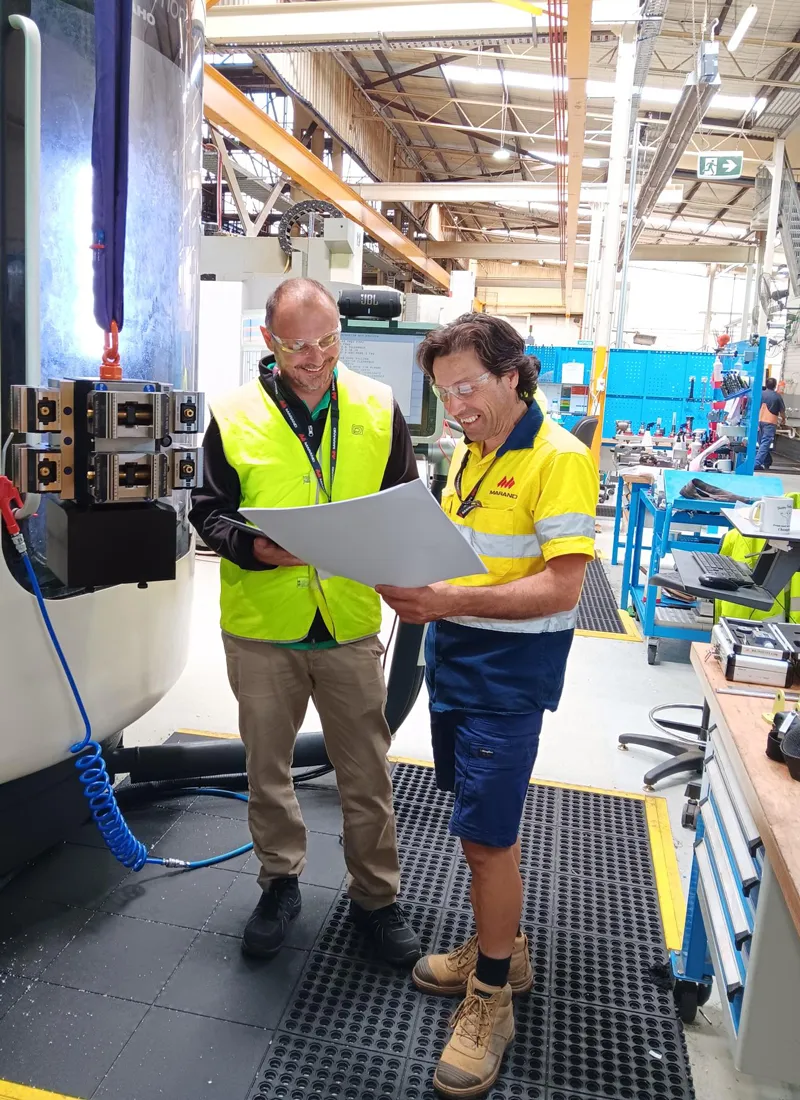
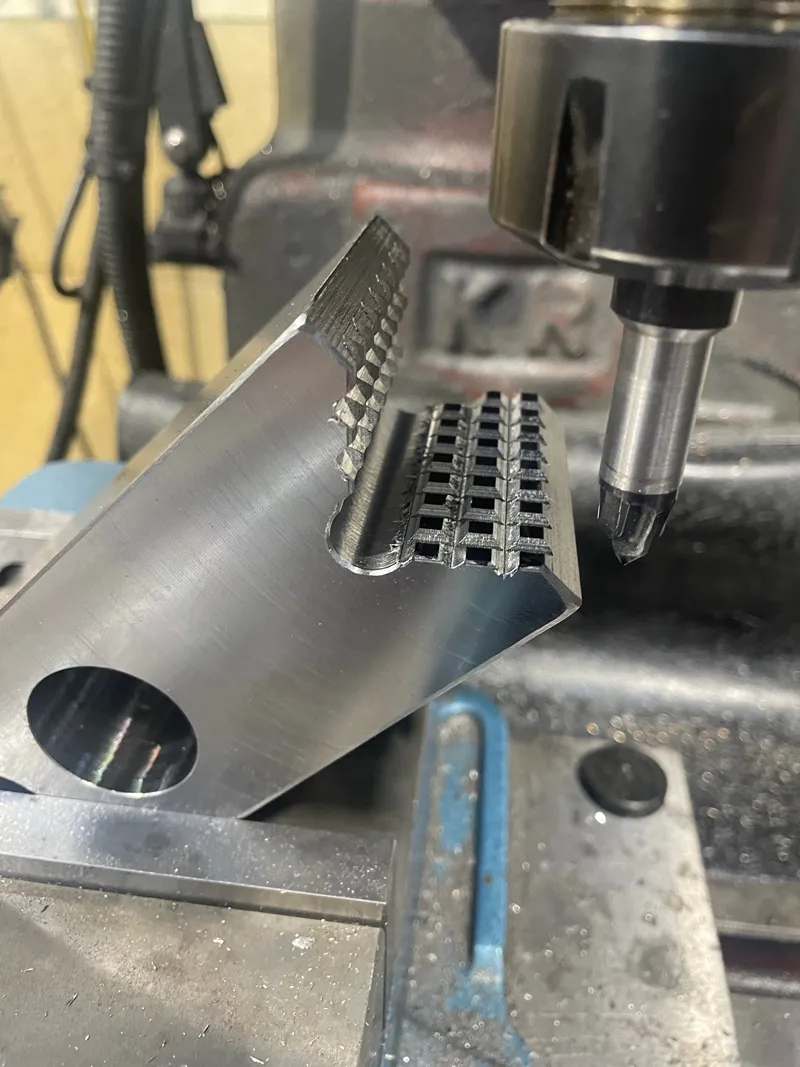
Global Innovation, local expertise in workholding solutions
We partner with leading global manufacturers to bring you high-performance CNC turning solutions that improve efficiency and reduce setup times while adapting to your machining needs. Our products streamline changeovers, lighten workloads, and ensure more productive workflows to keep you flexible and competitive.
Trusted brands, quality solutions









The Dimac advantage
Smart features, real benefits
Achieve gripping accuracy for consistent results
Get precise gripping with minimal runout and jaw lift for stable machining and reliable results.
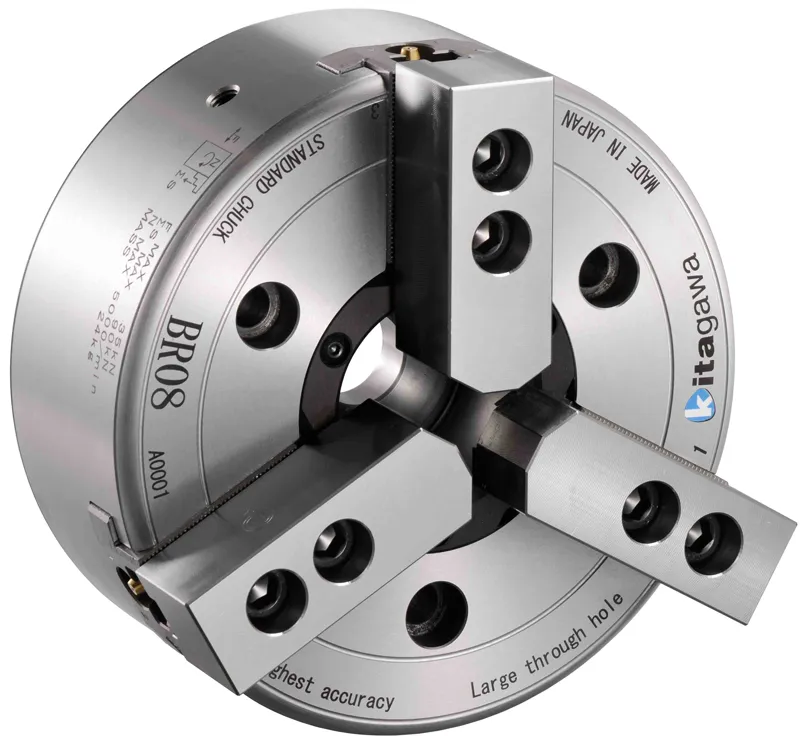
Australian made, durable soft jaws
Made from 1040 carbon steel, our soft jaws are strong, precise, and repeatable - perfect for custom shapes and different hardness levels.
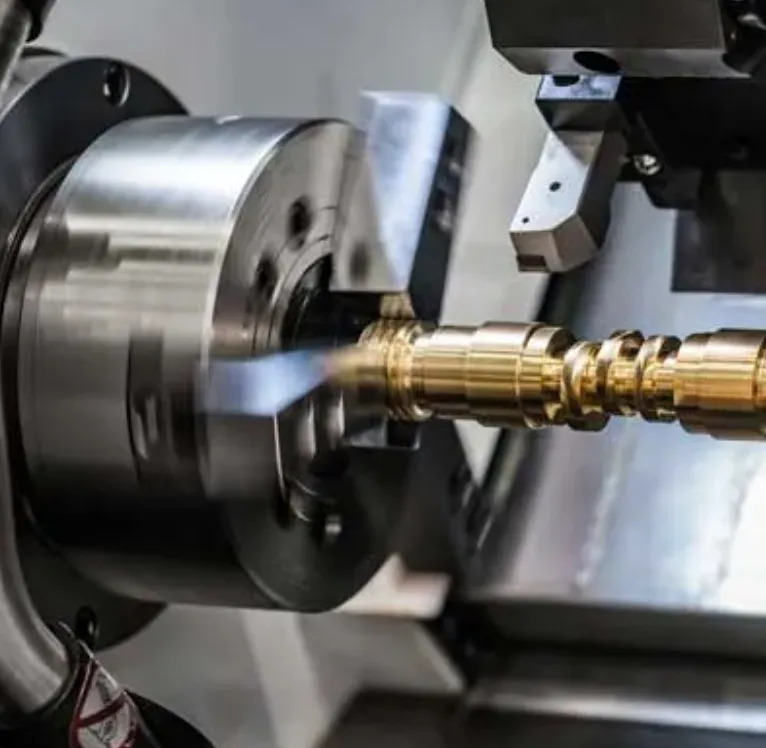
Customise turning for complex parts
We manufacture and tailor turning solutions in house for challenging components, ensuring precision and efficiency in every operation.
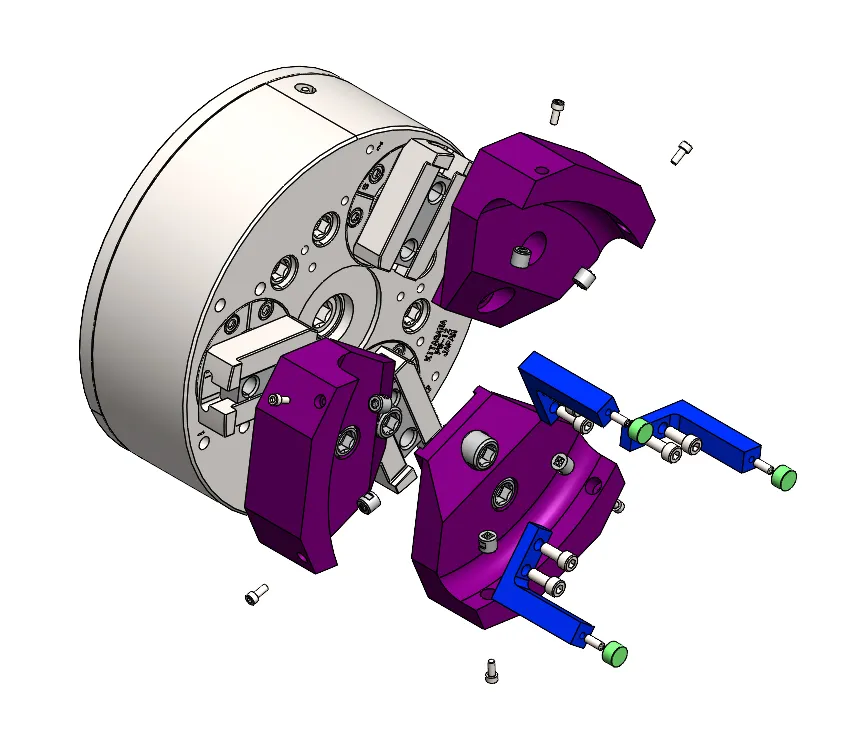
Oversized Chucks Engineered for Stability and Strength
Reliable solutions for large bore turning and heavy-duty applications, handling work pieces up to 200 tonnes while ensuring maximum precision and reliability for the most demanding applications

Extend Chuck Life with Routine Maintenance
Consistent maintenance with recommended grease improves chuck performance, increase gripping force and extends the lifespan of your chuck.
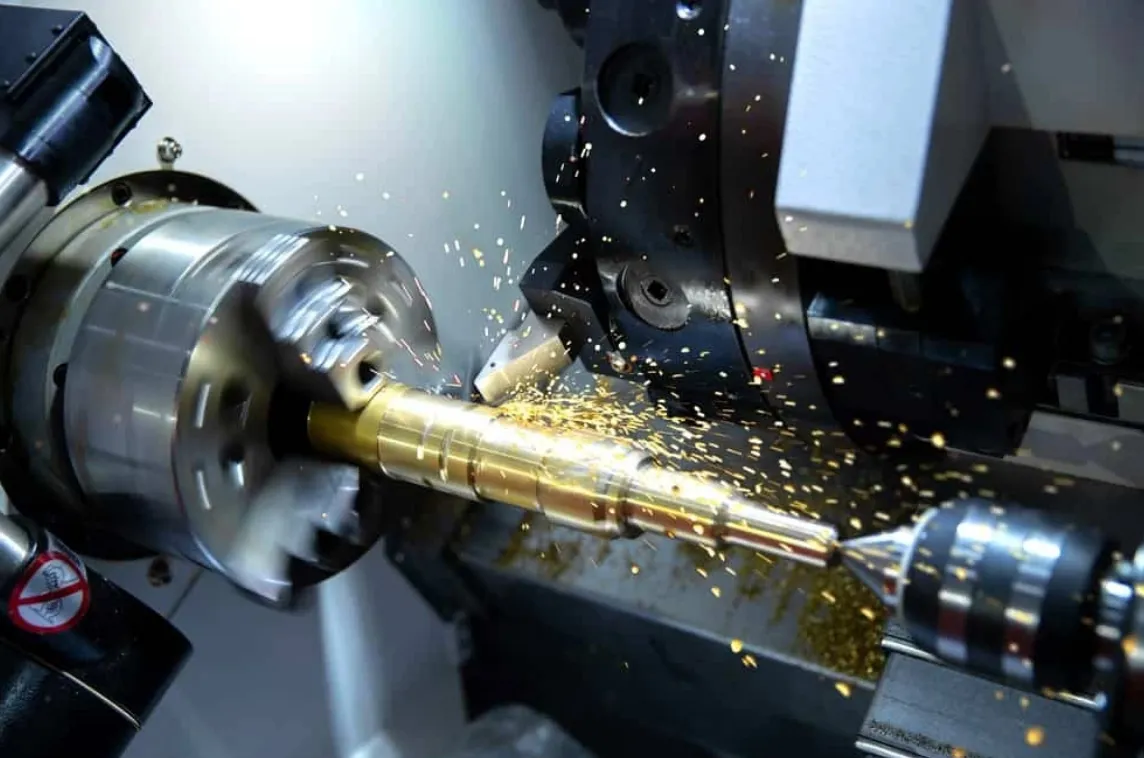
Improve precision with market leading supplier partnerships
Our partnerships with top suppliers invest in innovation and technology to bring advanced solutions that enhance precision, productivity, and efficiency in your turning processes.

Let's discuss your CNC machine tool needs
Why work with us
Reliable, honest service backed by experience
Innovative CNC optimisation solutions
Commitment to sustainable manufacturing
Unmatched customer care and support



How can we help you?
Here, you'll find answers to common questions - but if you need more information or have a specific query, please feel free to reach out.
Yes. Complete the Dimac Spindle Datasheet and submit it with your order. Dimac will review the machine, spindle and draw tube details to confirm the required drawnut configuration. If you require the blank drawnut to be machined to suit your machine, select the drawnut modification option when ordering.
A front cover helps protect the internal area of the chuck from swarf, coolant and contamination while allowing normal movement of the master jaws. Front covers are model-specific, so the correct cover must be selected to suit your chuck model and size.
T-Nuts are selected based on the chuck model, master jaw slot dimensions and the centre hole distance (CHD) of the jaw mounting holes. Always confirm compatibility with your chuck and soft jaws before ordering.
T-Nuts are typically supplied in sets of three to suit standard 3-jaw power chucks. Please check the product listing to confirm the quantity supplied.
Not necessarily. T-Nut dimensions and mounting arrangements vary between chuck manufacturers and models. Always confirm compatibility before fitting T-Nuts from another chuck.
Pie Jaws provide increased gripping contact around a workpiece, making them ideal for holding thin-walled, delicate or irregularly shaped components. Their design helps distribute clamping forces evenly, reducing distortion and improving machining accuracy.
Each material offers different benefits depending on the machining application:
- Aluminium: Lightweight and easy to machine, ideal for delicate or thin-walled components.
- Steel: Provides strength and durability for heavier-duty machining applications.
- Cast Iron: Offers excellent rigidity and vibration damping for stable, precision machining.
Yes. Pie Jaws can be machined to match the workpiece profile, providing a larger gripping surface and improved concentricity. This makes them particularly suitable for components requiring accurate, repeatable clamping.
Pie Jaws are available in a range of sizes and mounting configurations to suit various chuck models. Compatibility depends on the chuck size, serration or mounting style, bolt spacing and jaw dimensions. Always confirm compatibility before ordering.
Bar Gripper Jaws are available for most chuck brands ranging from 6" to 24". Compatibility depends on the chuck model, serration type, slot width and mounting dimensions.
Standard Hard Jaws are designed for general first-operation machining across a range of workpiece diameters. Bar Gripper Jaws are specifically designed to grip smaller-diameter bars that standard stepped hard jaws may not accommodate.
Chucks wear out over time, even with proper maintenance.
Watch for these signs:
- Higher hydraulic pressure needed to maintain a secure grip.
- Jaw flaring or kicking out when clamping a workpiece.
- Loss of concentricity, even with pre-machined soft jaws.
- Persistent chatter on the workpiece.
- Worn or damaged master jaw serrations.
If you notice any of these, it’s time to service or replace your chuck to keep machining safe and accurate.
We supply a wide range of 2-jaw, 3-jaw, 4-jaw and 6-jaw chucks, including manual, hydraulic and pneumatic chucks in sizes from small to large.
Hard jaws must be selected according to the exact Kitagawa chuck model and size. Chucks of the same nominal diameter may require different jaw configurations, serrations or mounting dimensions. Always confirm the chuck model before ordering.
If you are unsure, provide Dimac with the chuck model shown on its identification plate and we can confirm the correct hard jaws.
Kitagawa recommends regular greasing as part of routine chuck maintenance. Greasing frequency can vary depending on operating conditions, spindle speed and coolant exposure, so always refer to the maintenance instructions for your specific chuck model.
Check the "Suits" and "Series"information listed on the product page. Components such as grease nipples, front covers, chuck pucks, cover caps and drawnuts can vary between chuck models and sizes, so it is important to select the correct item for your chuck.
Chuck pucks and cover caps are used to close off the centre bore of compatible chucks when through-hole access is not required. This helps reduce the entry of swarf, coolant and other contamination into the chuck.
A boring fixture is used to hold soft jaws in the correct clamped position while they are being machined. This helps maintain concentricity and produce an accurate gripping diameter.
Standard T-Nuts are used to securely mount soft jaws to the chuck's master jaws. Kitagawa T-NutPLUS is a precision jaw-mounting system designed to improve positioning repeatability when soft jaws are removed and refitted, reducing the need to re-machine the soft jaws.
Kitagawa T-NutPLUS is designed for compatible Kitagawa BR-Series power chucks and must be used with approved Kitagawa or Dimac soft jaws.
Bar Gripper Jaws are designed to securely hold small-diameter bars and round workpieces during first-operation machining, particularly where standard hard jaws cannot grip smaller diameters.
Greasing your chuck with the right lubricant, like Kitagawa Chuck Grease Pro White, keeps it performing at its best. Proper lubrication reduces friction, increases grip force by 40–70%, and extends the chuck’s life. This grease resists extreme pressure, coolant washout, and centrifugal forces. Regular greasing ensures a consistent grip, reduces wear, and improves machining efficiency while cutting down maintenance and downtime.
Kitagawa's BR Series is the latest generation of power chucks, designed for high-speed, high-precision workholding with reduced maintenance and automation compatibility.
Hard jaws are hardened and provide a strong, durable grip. They are commonly used for first-operation machining and gripping unmachined material.
Kitagawa recommends Kitagawa Grease Pro White,which is specifically developed for power chucks to help maintain gripping force, smooth operation and consistent chuck performance.
Using a boring fixture simulates normal clamping pressure during machining, helping reduce jaw movement or distortion and improving repeatability and gripping accuracy.
Bar Gripper Jaws can grip workpieces as small as 5 mm in diameter, depending on the chuck model and jaw configuration. Refer to the product specifications for the applicable gripping range.
We recommend applying two shots of grease per master jaw at the start of each shift. The amount may vary depending on grip cycles, grip force, materials, and operating conditions. Regular greasing reduces friction, keeps maximum grip force, and improves chuck efficiency while extending its life. Always use the manufacturer-recommended lubricant for the best results.
Not always. Many Kitagawa chucks and cylinders are compatible across product classes, reducing the need for additional components when upgrading. Compatibility should always be confirmed before installation.
The gripping range depends on the combination of the hard-jaw model and compatible Kitagawa power chuck. Refer to the Grip Range and Configuration links shown on the product page for the relevant chuck series.
If you’re unsure which gripping range applies, contact Dimac with your chuck model and hard-jaw model and we can help confirm the correct configuration.
Yes.Adjustable boring fixtures can be repositioned to suit a range of jaw openings,making them suitable for repeated soft jaw machining applications.
Yes, we sell master jaws. However, we would recommend replacing the chuck if the master jaws have been damaged, worn or involved in a crash as this can affect your chuck's performance and accuracy. If unsure our team is happy to help with expert advice.
Absolutely. Kitagawa power chucks are engineered for repeatability and quick-change setups, making them ideal where flexibility and efficiency matter. Kitagawa offer a range of standard and advanced workholding for turning applications.
Bar Gripper Jaws are designed for gripping smaller-diameter bar that standard stepped hard jaws may not accommodate.
View our range of Bar Gripper Jaws or contact Dimac to confirm the correct jaws for your chuck and bar diameter.
Kitagawa recommends greasing the chuck every day. Grease more frequently during high-speed operation or when using large amounts of water-soluble coolant. Dimac stocks and supplies Kitagawa's official recommended CHUCK GREASE PRO white grease. Always follow the maintenance instructions for your chuck model.
Yes, but master jaws should only be replaced by trained personnel. The chuck must be disassembled and inspected, with any damaged, cracked or worn components replaced as required. Contact Dimac Tooling for the correct replacement jaws and servicing advice.
Hard Gripper Jaws allow you to control the workpiece seating depth while retaining the durability and convenience of hardened jaws.
The seating depth can be adjusted in 5mm increments, or a custom stop can be manufactured when a specific seating depth is required.
Kitagawa recommends disassembling and cleaning the chuck every six months or 100,000 strokes, whichever comes first. For cast machining, clean it every two months. This work should be carried out by trained personnel following the chuck manual.
We require the information in your machine's spindle datasheet to ensure the chuck matches the spindle nose and for a power chuck, the push/pull force of the hydraulic cylinder and the drawtube configuration where relevant. Dimac can match a power chuck to your machine's spindle configuration.
Watch the Kitagawa installation video.